Physical Address
304 North Cardinal St.
Dorchester Center, MA 02124
Physical Address
304 North Cardinal St.
Dorchester Center, MA 02124

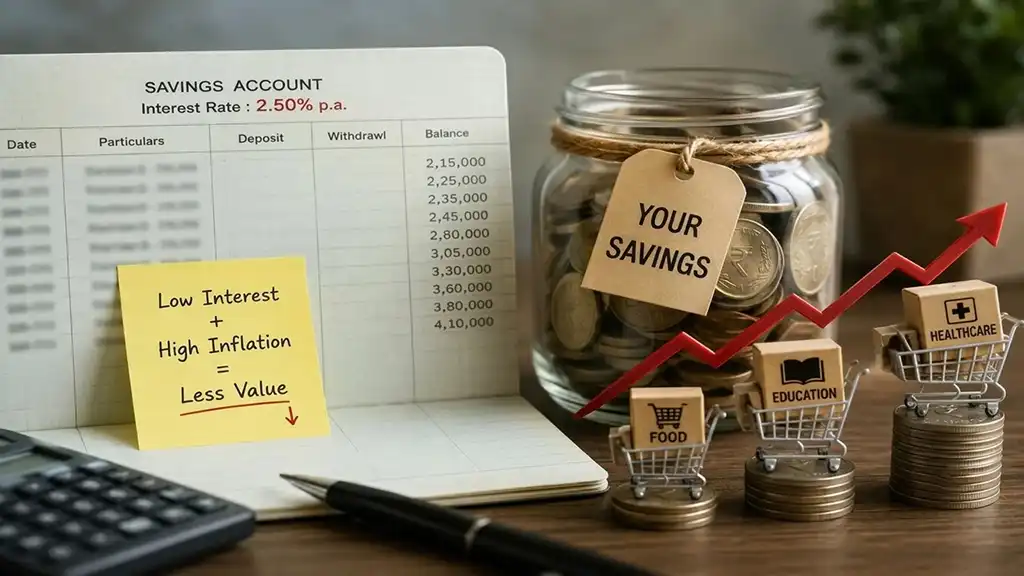
High-yield savings accounts offer a convenient way to earn interest on cash without sacrificing the flexibility needed for everyday financial planning. Whether you are saving for emergencies, preparing for a major purchase, or keeping extra money available for unexpected expenses, choosing the right account can help your balance grow over time.
Compared with many traditional savings accounts, high-yield options can offer substantially better annual percentage yields (APYs). However, not every account advertised as high-yield provides the same value. Some banks offer attractive rates with straightforward requirements, while others reserve their highest yields for customers who maintain specific balances or complete qualifying monthly transactions.
The best account is not necessarily the one with the highest advertised number. Fees, minimum deposits, transfer arrangements, deposit insurance, and account eligibility can all affect the value you receive.
Savings rates change as banks respond to market conditions and their own funding needs. This guide explores several high-yield savings accounts worth comparing, explains how to evaluate their requirements, and shows how to earn more interest without making your savings unnecessarily complicated.
Best High-Yield Savings Accounts to Compare
The following accounts offer different combinations of interest earnings, accessibility, and account features. Check each bank’s current rate disclosure before applying because advertised APYs and qualification requirements can change.
| Account | Main Advantage | Key Consideration |
| Axos ONE Savings | Potentially high qualifying APY | Linked checking requirements |
| Newtek Bank Personal High Yield Savings | Competitive advertised rates | Verify current eligibility |
| Peak Bank Envision High-Yield Savings | Dedicated savings structure | Minimum opening deposit |
| EverBank Performance Savings | Flexible balance requirements | Variable APY |
| Forbright Bank Growth Savings | Accessible savings option | Confirm current terms |
| CIT Bank Platinum Savings | Potentially attractive qualifying rates | Balance requirements may apply |
These accounts should be evaluated according to your balance, financial habits, and ability to meet any additional requirements rather than treated as a fixed ranking.
Axos ONE Savings: Attractive Rates With Qualification Rules
Axos ONE Savings is worth considering if you want to pursue a competitive yield and are comfortable managing a linked checking account. Its advertised maximum APY has been among the more noticeable offers in the high-yield savings market.
However, the maximum rate is conditional. Customers must satisfy the applicable qualification requirements through an associated Axos ONE Checking account. Depending on the available qualification method, this can involve qualifying direct deposits and maintaining a specified average daily checking balance.
These conditions may work well for someone who already receives regular income through Axos. On the other hand, opening an additional checking account solely to earn a slightly higher savings rate may not be worthwhile for everyone. Before applying, calculate the additional interest you could realistically earn and compare it with the effort and financial commitments required to maintain eligibility.
Newtek Bank Personal High Yield Savings: A Competitive Savings Option
Newtek Bank’s Personal High Yield Savings account deserves consideration when comparing online savings products. Its advertised yield has been competitive with other high-yield accounts, making it relevant for people who want their cash to generate interest while remaining available for future needs.
A strong rate is especially useful when you maintain a substantial savings balance. Nevertheless, the overall value depends on the account’s complete terms, including opening requirements, applicable fees, and access to deposited money.
For emergency savings, predictable access can be just as important as the advertised APY. Review transfer arrangements and determine whether the account fits your preferred banking routine. Check the current rate directly with Newtek Bank before opening an account, and confirm whether the advertised terms apply to your intended deposit amount.
Peak Bank Envision High-Yield Savings: Simple Savings Management
Peak Bank’s Envision High-Yield Savings account is another option for people who prefer maintaining a dedicated savings account separate from everyday checking.
Its published terms have included a $100 minimum opening deposit and no monthly maintenance fee. These features can be helpful when you want a separate account for emergency savings without adding recurring account costs.
A dedicated savings account can also discourage unnecessary spending. Instead of keeping all your money in the account used for groceries, bills, and purchases, you can reserve a separate balance for financial priorities. Before opening the account, review the current APY, balance tiers, and eligibility rules. If you plan to deposit a large amount, consider whether the rate structure and applicable deposit-insurance limits support your intended balance.
EverBank Performance Savings: Flexible Savings for Different Goals
EverBank Performance Savings has historically offered competitive interest without requiring customers to maintain a minimum balance simply to keep the account open.
This type of arrangement can suit people who are still building their savings. You can begin with a smaller amount and contribute regularly instead of waiting until you have accumulated a large initial deposit.
EverBank may also appeal to customers who maintain their primary checking account elsewhere. However, convenience depends on the transfer process and how quickly you can access money when needed. Review the latest APY, monthly fees, and account disclosures before applying. Remember that a rate advertised to new customers may not necessarily remain unchanged indefinitely.
Forbright Bank Growth Savings: A Practical Choice for Regular Savers
Forbright Bank Growth Savings is worth comparing if you want an account designed to accommodate gradual savings contributions.
An account without a minimum opening deposit can be particularly useful for people who cannot immediately transfer thousands of dollars into savings. Instead, they can establish the account and build their balance through consistent contributions.
Forbright has advertised accessible savings terms, but you should verify the current APY, fees, and account eligibility requirements before making a decision.
Consider how the account will fit into your broader financial plan. If you are building an emergency reserve, prioritize convenient access and predictable terms rather than choosing solely on the basis of a temporary promotional rate.
CIT Bank Platinum Savings: Consider the Minimum Balance
CIT Bank Platinum Savings can be appealing to customers who maintain a balance that qualifies for its higher advertised rate.
The important consideration is the account’s balance structure. Certain rates or promotional offers may require maintaining a specified amount, and the return can be lower if your balance falls below the relevant threshold.
For example, a saver who consistently maintains several thousand dollars may find a qualifying offer useful. Someone who frequently withdraws money for unexpected expenses may find the requirements less convenient. Before opening the account, check the standard APY, promotional conditions, minimum balance, and duration of any special offer.
Why the Highest APY May Not Deliver the Best Value
A higher APY does not always produce a meaningful improvement in your finances. The difference becomes clearer when you calculate the potential interest in dollars.
Suppose you deposit $10,000 into an account earning 4.00% APY and keep the balance unchanged for a full year. You would earn approximately $400. At 4.20% APY, the same balance would generate approximately $420.
The difference is about $20 over one year, assuming both rates remain unchanged.
That additional interest may be worthwhile, but it might not justify opening another account, redirecting your paycheck, or maintaining a minimum balance if those requirements complicate your finances.
Focus on the APY you can realistically maintain after considering fees, eligibility rules, and account convenience.
How to Choose a High-Yield Savings Account
Start by identifying the purpose of your savings. Emergency funds require dependable access, while money reserved for a planned purchase may have a different time horizon.
Compare the following features before choosing an account:
A suitable account should offer a competitive return without making your savings difficult to manage.
How Much Interest Can Your Savings Earn?
The potential benefit of a high-yield account depends on your starting balance, APY, and the amount of time your money remains deposited.
Consider these simplified examples using a constant 4.00% APY:
| Starting Balance | Approximate One-Year Interest |
| $5,000 | $200 |
| $10,000 | $400 |
| $20,000 | $800 |
| $40,000 | $1,600 |
These figures assume the APY remains unchanged for a full year and that there are no additional deposits or withdrawals. Actual interest can vary because most high-yield savings accounts offer variable rates.
Even so, moving cash from a very low-interest account into a suitable high-yield alternative can improve returns without requiring you to commit the money to a fixed-term investment.
What to Check Before Opening an Account
Read the bank’s current account disclosure before transferring money. Confirm whether the advertised APY is available to all eligible customers or depends on a promotional period, minimum balance, linked account, or qualifying deposit.
Review the fee schedule and find out how external transfers work. If you intend to use the account for emergencies, ensure you can access the money within a timeframe that suits your needs.
Deposit insurance is another essential consideration. Eligible deposits at FDIC-insured banks are generally protected up to $250,000 per depositor, per insured bank, for each ownership category. Eligible credit union deposits may receive federal protection through the NCUA. Accounts within the same ownership category at the same institution are generally combined when determining coverage.
Finally, avoid opening accounts based entirely on comparison tables. Verify the institution’s current terms and make sure the account matches your financial priorities.
Frequently Asked Questions
1. What is a competitive high-yield savings rate?
A competitive rate depends on current market conditions. Compare recently published APYs from several institutions and consider whether the best offers require qualifying balances or linked accounts.
2. Which savings account has the highest APY?
The leading account can change frequently. Axos ONE Savings and other online savings products may offer competitive rates, but the highest advertised yield may require additional monthly activity.
3. Are high-yield savings accounts safe?
Eligible deposits held at FDIC-insured banks generally receive federal deposit protection within applicable limits. Always verify the bank holding your deposits and understand how coverage applies to your accounts.
4. Can the APY change after opening an account?
Yes. Most high-yield savings accounts have variable interest rates. Banks may increase or decrease their APYs as market conditions and funding needs change.
5. How much does $10,000 earn at 4% APY?
If the APY remains at 4.00% for a full year, $10,000 would earn approximately $400, assuming the balance remains unchanged.
6. Are online savings accounts better than traditional accounts?
Online accounts often provide competitive rates and low fees. However, customer support, transfer arrangements, and account features should also influence your decision.
7. Should I keep my emergency fund in a high-yield account?
A high-yield savings account can be suitable because it offers interest earnings while keeping money relatively accessible. Check transfer times and retain an appropriate amount for immediate expenses.
8. Do high-yield savings accounts charge monthly fees?
Many online accounts do not charge monthly maintenance fees, but conditions differ. Review the current fee schedule before applying.
9. Is a high-yield savings account better than a CD?
Savings accounts generally offer greater flexibility, while CDs may provide a fixed rate for a specified term. Emergency savings usually benefit from convenient access rather than withdrawal restrictions.
10. How often should I compare savings rates?
Review your account every few months. Consider changing banks when a sustained rate difference provides meaningful benefits without adding unnecessary restrictions or costs.
Conclusion
High-yield savings accounts can help you earn more interest on cash while preserving flexibility for future expenses. Axos ONE, Newtek Bank, Peak Bank, EverBank, Forbright Bank, and CIT Bank are options worth comparing, depending on your balance and account preferences.
The best choice is not necessarily the one with the largest advertised APY. Evaluate the rate you can actually earn, avoid unnecessary fees, understand every qualification requirement, and confirm appropriate deposit-insurance coverage.
With careful comparison and consistent contributions, a high-yield savings account can become a valuable part of your financial plan. Always verify current rates and account terms directly with the bank before opening an account.
Related Reading





[…] Best High-Yield Savings Accounts for Earning More Interest […]
[…] Best High-Yield Savings Accounts for Earning More Interest […]
[…] Best High-Yield Savings Accounts for Earning More Interest […]