Physical Address
304 North Cardinal St.
Dorchester Center, MA 02124
Physical Address
304 North Cardinal St.
Dorchester Center, MA 02124

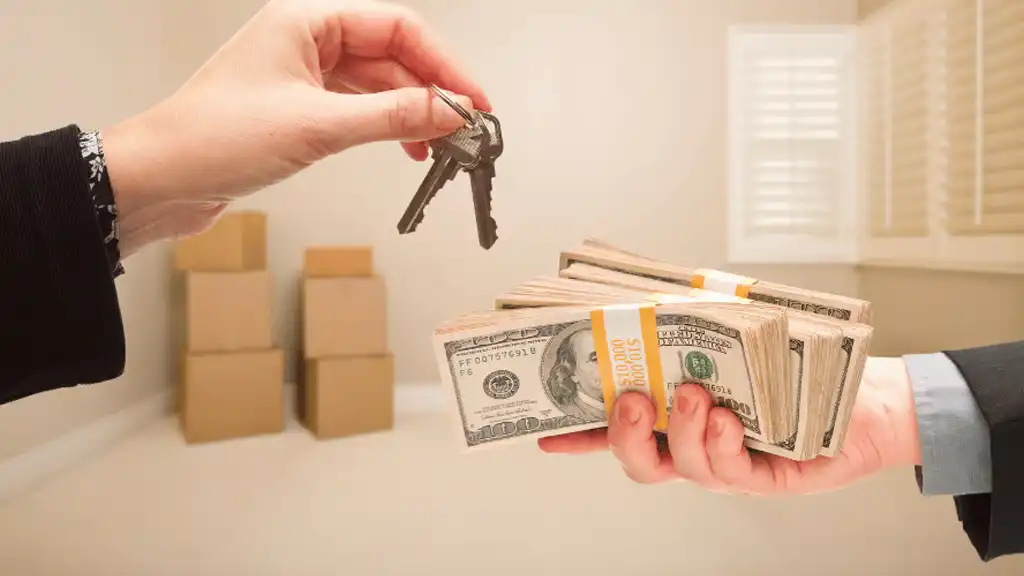
Selling a property can be a time-consuming process, especially when you need to move quickly or want to avoid the uncertainty of a traditional home sale. Preparing your house for the market, arranging viewings, negotiating with buyers, and waiting for mortgage approval can turn a straightforward transaction into a lengthy process. For homeowners who value speed and convenience, selling a house for cash may offer a more direct solution.
A cash sale can sometimes be completed within one to three weeks, depending on the property’s condition, title requirements, and the buyer’s readiness to close. However, a faster transaction does not automatically mean a better financial outcome. Understanding how cash offers are calculated, how to evaluate potential buyers, and what to check before signing a contract can help you make an informed decision.
What Does Selling a House for Cash Mean?
Selling a house for cash means transferring ownership to a buyer who does not need a mortgage to fund the purchase. These buyers may include real estate investors, property investment companies, house-flipping businesses, or individuals with sufficient available funds.
Because the purchase does not depend on mortgage approval, the process can involve fewer delays than a conventional sale. There is generally no need to wait for a lender’s underwriting decision, and financing-related complications are less likely to disrupt the closing date.
However, a cash transaction still requires important legal and administrative steps. The buyer may conduct an inspection, the title must be reviewed, and outstanding liens or ownership issues may need to be resolved. Local regulations can also affect the timeline.
It is also important to distinguish a genuine cash buyer from someone who simply claims to have cash available. Ask for proof of funds and verify that the buyer has the financial capacity to complete the purchase before committing to an agreement.
How Cash Buyers Determine Their Offers
Cash buyers usually offer less than the price a property might achieve through a traditional market listing. Their calculations often account for renovation expenses, transaction costs, holding expenses, and the profit they expect to earn.
One common method involves estimating the property’s after-repair value (ARV), which represents its potential selling price after necessary improvements have been completed.
Buyers then consider several factors:
After accounting for these expenses, the buyer determines an offer that fits their investment strategy. Depending on the location, property condition, and local demand, an offer might fall substantially below market value. Some investors use a percentage-based formula, but there is no universal discount that applies to every property.
For homeowners, the key is to understand how the offer was calculated rather than focusing exclusively on the headline price. A lower cash offer may still be attractive if it eliminates significant repair expenses, reduces selling costs, and provides a reliable closing schedule.
The Step-by-Step Process for Selling Your House for Cash
1. Request Multiple Cash Offers
Start by contacting at least three potential buyers. You can explore local property investors, established home-buying companies, and independent cash purchasers.
Provide accurate information about your property’s location, size, condition, and any known issues. Request written offers and ask each buyer to explain how they arrived at their proposed price.
Compare more than the amount offered. Consider the expected closing date, inspection requirements, closing costs, and whether the buyer can withdraw or renegotiate under specific circumstances.
Receiving multiple offers gives you a clearer picture of what your property may realistically sell for and helps you recognize unusually low or misleading proposals.
2. Check the Buyer’s Credibility
Before accepting an offer, investigate the buyer’s background. Search for independent reviews, confirm the company’s business details where applicable, and ask whether it has completed similar purchases in your area.
Request recent proof of funds, such as an appropriate bank verification or other reliable financial documentation. Sensitive financial information can be verified through suitable channels without requiring unnecessary disclosure of private account details.
You should also confirm who will actually purchase the property. Some companies make offers directly, while others operate as intermediaries or assign purchase contracts to third parties.
A professional buyer should explain the process clearly, answer reasonable questions, and avoid pressuring you into making an immediate decision.
3. Understand the Purchase Agreement
A written purchase agreement determines the obligations of both parties. Read it carefully before signing, and consider asking a qualified real estate attorney to review the terms.
Pay particular attention to the following provisions:
Do not assume that a contract is risk-free simply because the buyer promises an all-cash transaction. Clear terms and appropriate legal review can help prevent misunderstandings later.
4. Prepare the Required Documents
Once you agree on the terms, gather the documents needed to complete the sale. These may include proof of ownership, identification, property tax records, mortgage payoff information, and details of any existing liens.
If the property is inherited, jointly owned, or held through a trust or company, additional documentation or authorization may be necessary.
The title company, closing attorney, or other qualified professional handling the transaction can explain which documents are required in your jurisdiction.
Resolving outstanding ownership issues early can prevent avoidable delays and help keep the transaction on schedule.
5. Complete the Closing and Receive Payment
Cash transactions may close in approximately seven to twenty-one days when the buyer is financially prepared and the property’s title is clear. However, this is an estimate rather than a guarantee.
Before closing, review the final settlement statement and confirm the agreed sale price, deductions, fees, and any outstanding mortgage balance.
Ownership transfers once the applicable closing requirements have been satisfied. Proceeds are typically distributed through the authorized closing process, often by wire transfer or another approved payment method.
Verify payment instructions independently before transferring information or authorizing payments. Once the transaction is completed, retain copies of the signed agreement and final closing documents.
When Is Selling Your House for Cash the Right Choice?
A cash sale can be particularly useful when your circumstances make speed, convenience, or certainty more important than achieving the highest possible selling price.
Facing potential foreclosure: Homeowners experiencing financial difficulties may consider a cash sale to help address an urgent deadline. However, selling does not automatically stop foreclosure proceedings, so seek qualified legal advice and contact your mortgage servicer promptly.
Relocating for work or personal reasons: If you need to move within a short period, a cash buyer may offer a more predictable closing schedule than a buyer who requires mortgage financing.
Selling an inherited property: An inherited house may need repairs, ongoing maintenance, or additional administrative work. A cash sale can provide an alternative to renovating the property before listing it.
Dealing with a property in poor condition: If your home needs substantial repairs, selling it as-is may help you avoid spending money on improvements you cannot afford or do not want to manage.
Managing an estate or divorce: When ownership arrangements need to be settled, selling may help the parties divide the proceeds. Appropriate legal and ownership approvals are still essential.
On the other hand, if your home is in good condition and you have enough time to market it, a traditional listing may generate stronger offers. Comparing the estimated net proceeds from both approaches can help you determine which option makes the most financial sense.
How to Avoid Common Cash Sale Scams
Although many cash buyers operate legitimately, homeowners should remain alert to misleading offers and high-pressure sales tactics.
Be cautious if a buyer refuses to provide proof of funds, demands unexplained upfront payments, or asks you to sign a contract without giving you time to review it. An offer that appears unusually generous may also come with restrictive conditions or later price reductions.
Avoid relying solely on testimonials published on the buyer’s own website. Look for independent feedback and verify the company’s transaction history where possible.
You should also be wary of buyers who repeatedly change the agreed price after securing your signature. Review inspection and cancellation provisions carefully so you understand what the contract permits.
Using a reputable title company, closing attorney, or qualified local real estate professional can provide an additional layer of protection.
Frequently Asked Questions
Can I sell my house for cash without making repairs?
Yes. Many cash investors purchase properties in as-is condition, meaning you generally do not need to complete renovations before selling. However, the buyer will usually consider the property’s defects when calculating the offer. Your legal disclosure obligations still depend on local law.
How quickly can a cash sale close?
Some transactions can be completed in approximately seven to twenty-one days. The actual timeline depends on title clearance, documentation, inspections, local closing procedures, and the buyer’s financial readiness.
Will I receive the full market value of my property?
Not necessarily. Cash investors generally account for repairs, operating expenses, resale costs, and their expected profit. Their offers may therefore be lower than the price available through a traditional listing.
Do I have to pay closing costs?
It depends on the purchase agreement and local practices. Some buyers agree to cover certain expenses, while others expect the seller to pay specific fees. Confirm every charge in writing before accepting the offer.
Is a cash offer guaranteed to close?
No. A cash offer reduces the risk associated with mortgage financing, but it does not eliminate every potential problem. Contract conditions, title issues, inspection findings, or a buyer’s failure to meet their obligations can still affect the transaction.
The Bottom Line
Selling your house for cash can be a practical option when you need a faster sale, want to avoid extensive repairs, or prefer a more predictable transaction. The trade-off is that you may receive less than you could earn by selling through the traditional market.
To protect your financial interests, obtain several offers, verify the buyer’s available funds, review every contractual condition, and calculate your expected net proceeds before making a decision.
A well-managed cash sale is not simply about closing quickly. It is about choosing a reliable buyer, understanding the costs involved, and ensuring that the convenience of a faster transaction justifies the price you are willing to accept.
Related Reading





[…] How to Sell Your House Fast for Cash: A Practical Guide for Homeowners […]